• Craig Moritz – Discovering diversity across Australia’s tropics

    ANBG Theatrette Clunies Ross Street Acton ACT 2601, Canberra, ACT, Australia

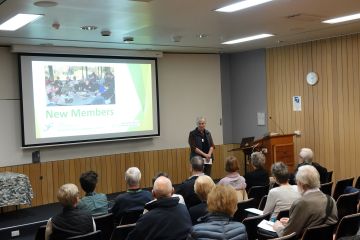
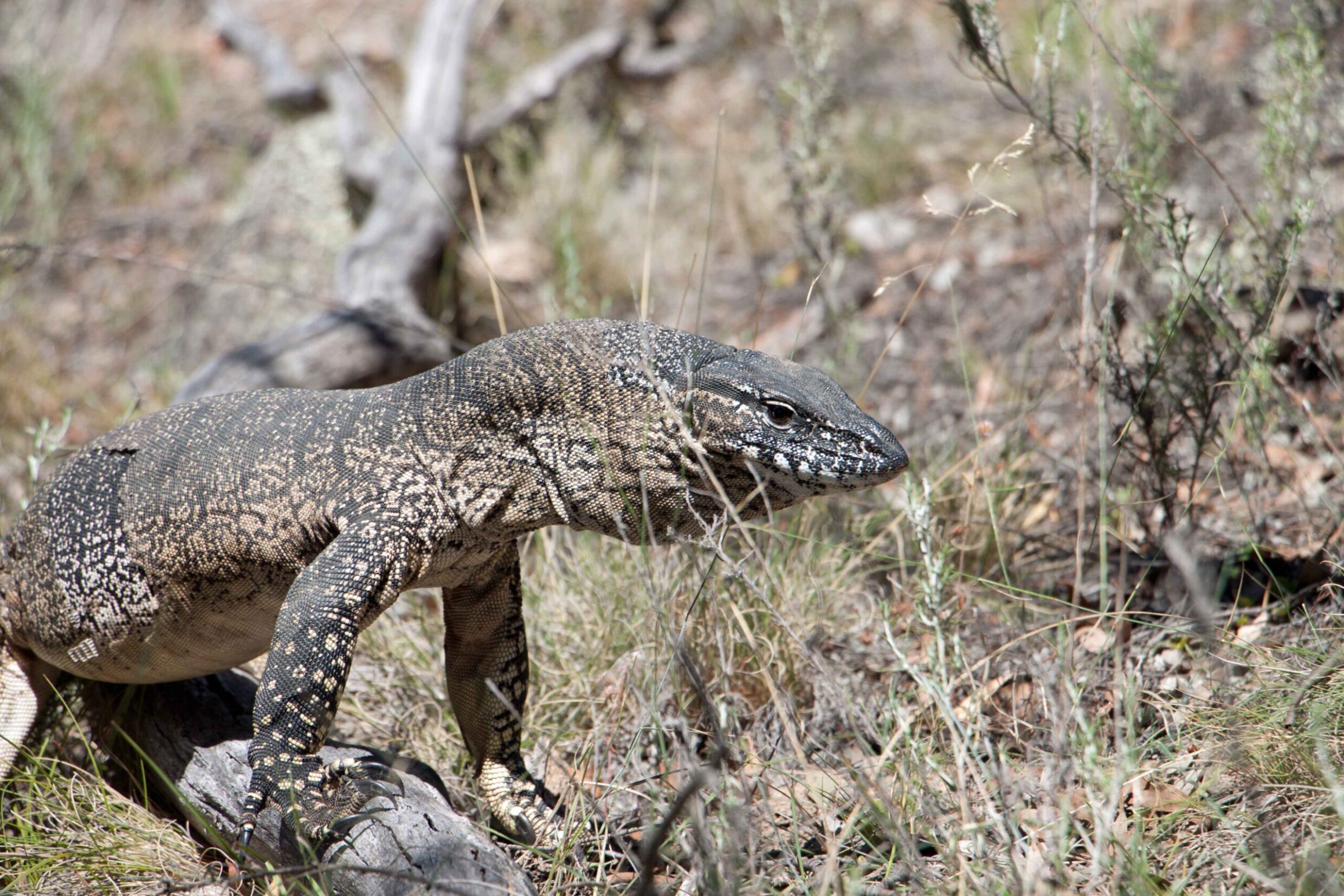
    Craig Moritz, from the ANU, will talk about the true species diversity of vertebrates in the monsoonal tropics, and how this matters for science, conservation, and ecological management. You might think that we know all about Australia’s vertebrate species – what they are and where they occur. However, ongoing surveys and genetic analyses tell a […]
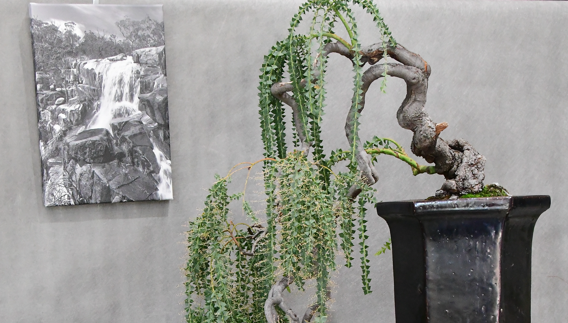
  • Australian Plants as Bonsai Exhibition

    Crosbie Morrison Building, ANBG Clunies Ross Street, Acton, Australian Capital Territory, Australia

    The art of miniature trees in pots or trays started in China around 2000 years ago (penjing) and was taken up in Japan around 1200 years ago where it started to be called bonsai about 150 years ago.

    $5
  • Chris Mobbs – Bragg Street Park, Hackett: Increasing biodiversity through water harvesting

    ANBG Theatrette Clunies Ross Street Acton ACT 2601, Canberra, ACT, Australia

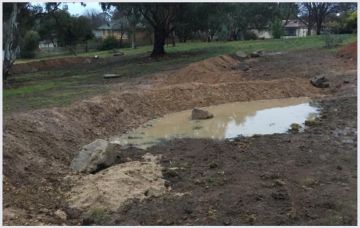
    Chris Mobbs, Convenor Bragg Street Park Volunteers, describes solving a drainage problem and creating an urban oasis with a great increase in the diversity of native plants. Residents near a neighbourhood park in Hackett came together to solve a drainage problem. They ended up creating an urban oasis. Their project was funded with a Nature […]

  • Bernadette Duncan ‘Indigenous plant names and tea tasting’

    ANBG Theatrette Clunies Ross Street Acton ACT 2601, Canberra, ACT, Australia

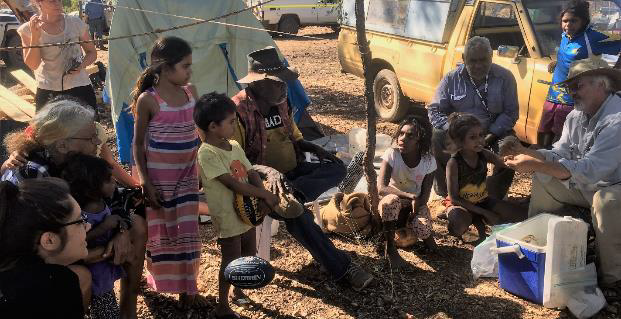
    Kamilaroi woman Bernadette Duncan works with her community bringing people to language and knowledge through local teas. Taste the teas as Bernadette leads a talk about using native plants for teas and bush medicine.

  • Professor Eric Warrant ‘The art of coming far with a tiny brain: The remarkable navigational abilities of the Australian Bogong moth’

    ANBG Theatrette Clunies Ross Street Acton ACT 2601, Canberra, ACT, Australia

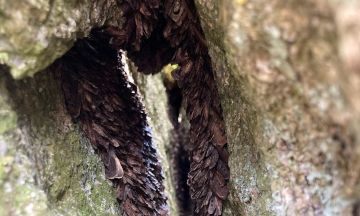
    In his talk, Eric will reveal how the nocturnal Bogong Moth, Agrotis infusa - uses the Earth's magnetic field, the starry night sky and highly specific odours to fly 1000 kilometres to remote caves in the Australian Alps where they spend the summer.

    Free