Friends of the Australian National Botanic Gardens
Invitation to attend the Friends 38th AGM
All members are cordially invited to attend the 38th Annual General Meeting of the Friends of the ANBG on Thursday 15 October at 3pm in the Gardens’ Theatrette
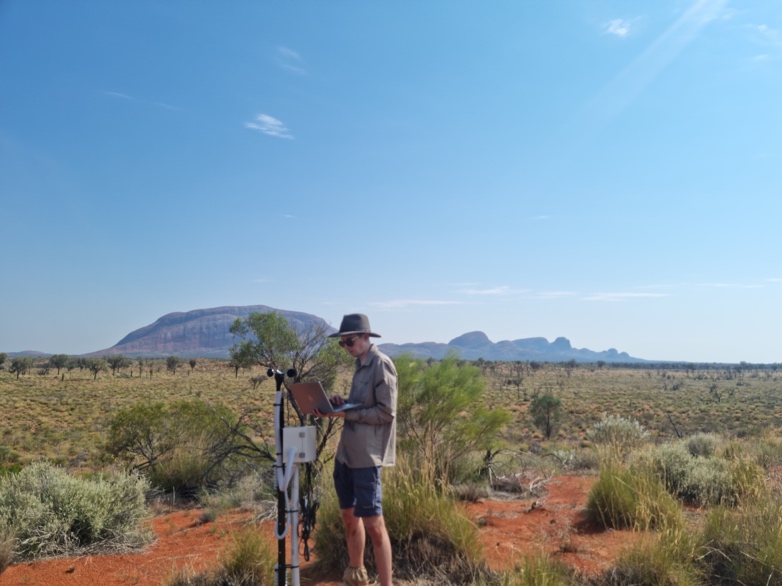
Jay will summarise his work on the interesting strategies desert plants use to overcome the complex and extreme environment that is the Australian desert.
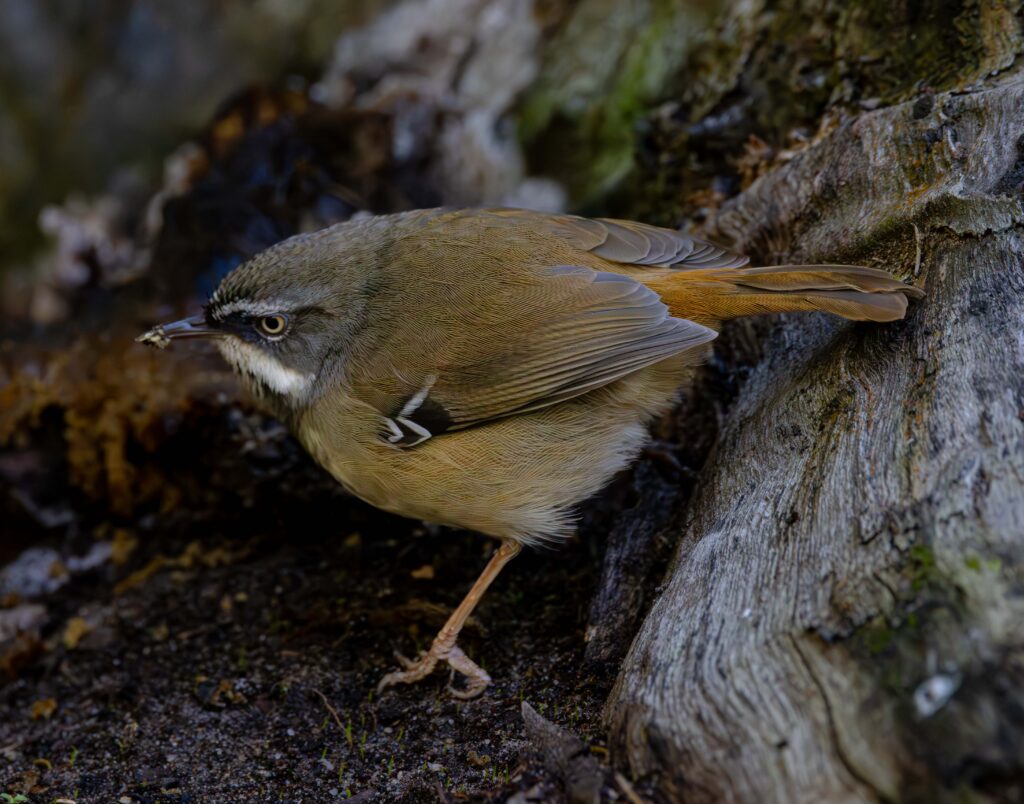
The Group’s next meeting takes place on Friday 30 October. It will feature a presentation by award winning bird photographer, Richard Arculus who is President of the South Side Camera Club.
The Photographic Group’s annual exhibition Illuminate’26 opens to the public on Thursday 5 November and runs until Sunday 29 November.
It takes place in the ANBG Visitor Centre from 9.30 am to 4.30 pm daily.
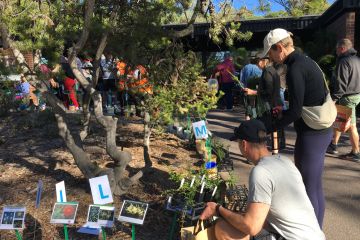
In lieu of a Spring public sale this year, Growing Friends are offering Friends a selection of plants during November. All plants are sourced from within the Gardens and are $6 or more depending on the size of the pot.
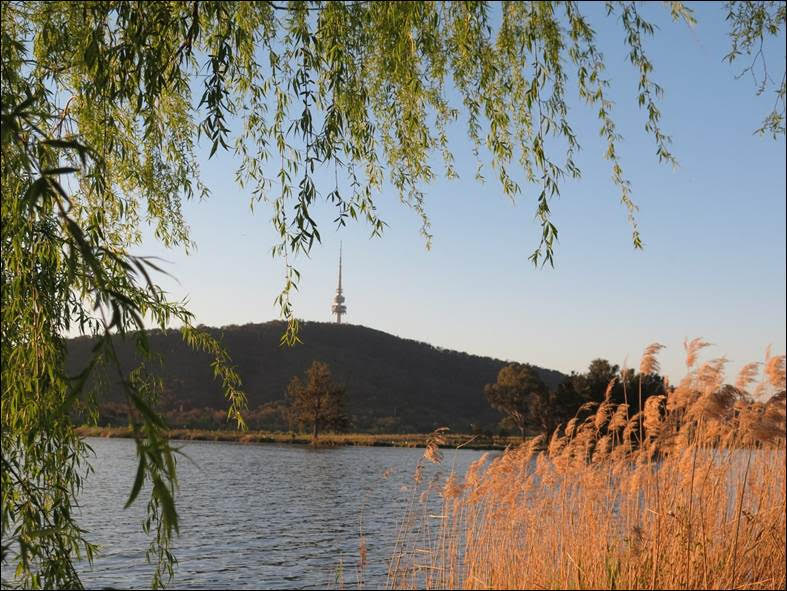
In this talk Anna compares photographs of Black Mountain and its tower to Hokusai’s 36 views of Mt Fuji and discusses how they might guide us to look at local scenes in different ways.